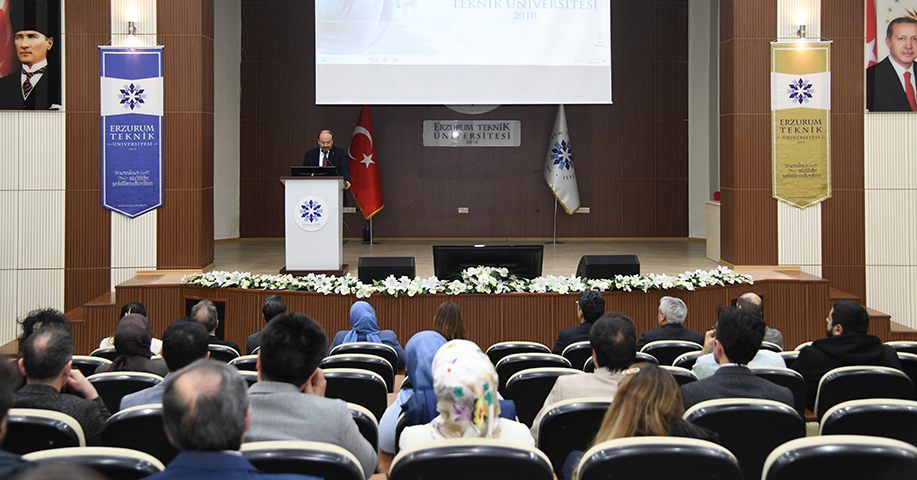
An information meeting on quality assurance systems carried out in higher education
institutions within the scope of the Institutional Internal Evaluation Report (KIDR) was
organized by the Quality Coordination Office of Erzurum Technical University (ETU).
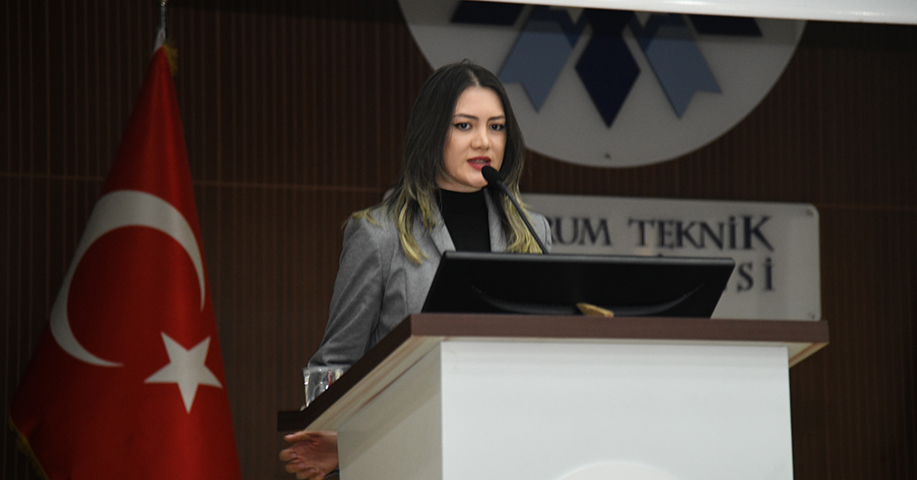
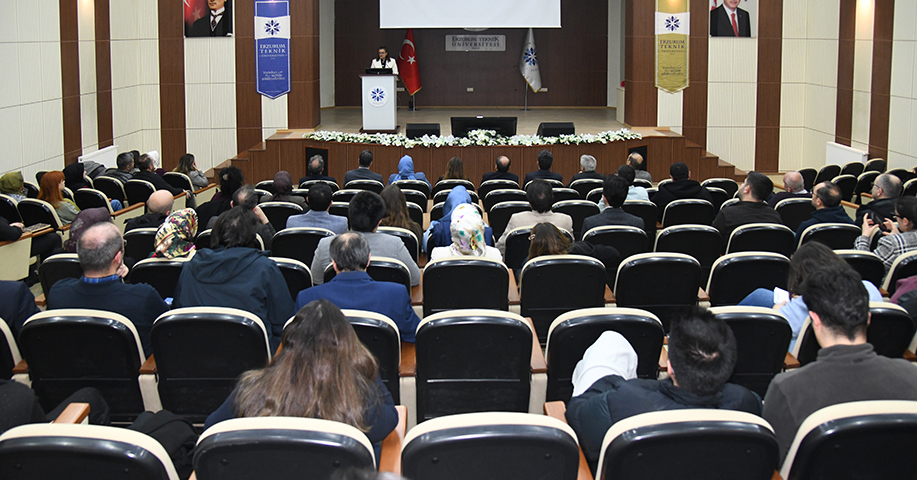
The meeting was held to evaluate ETU’s education and training, research and development,
and social contribution processes within the framework of the “Plan-Do-Check-Act (PDCA)”
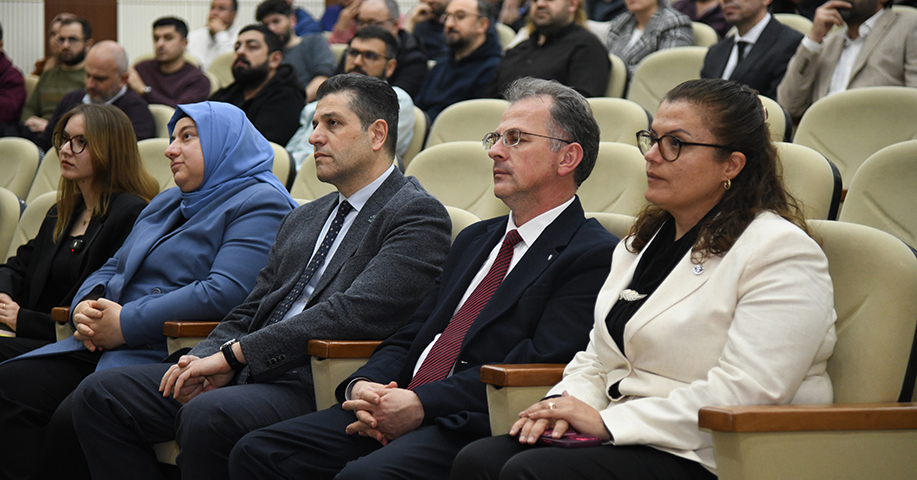
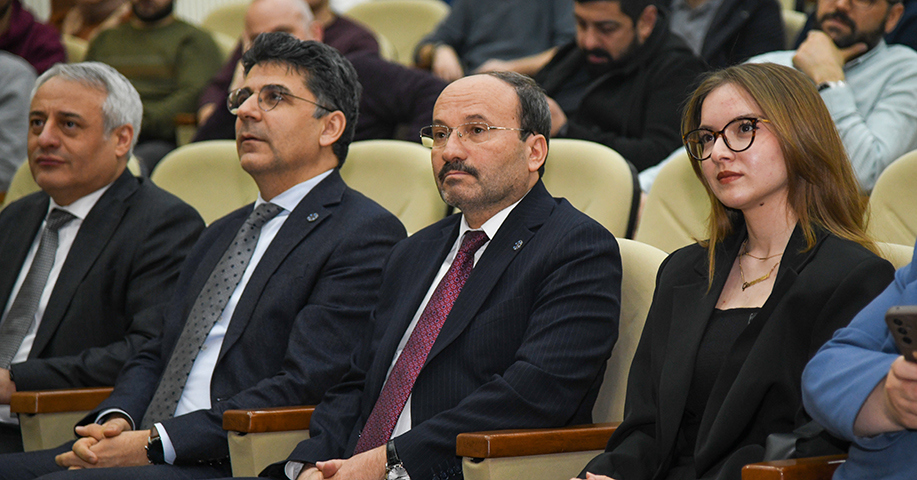
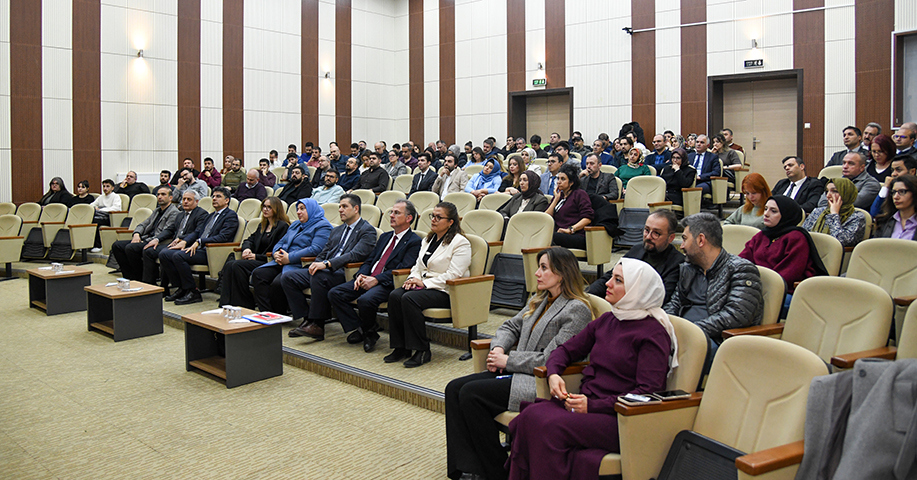
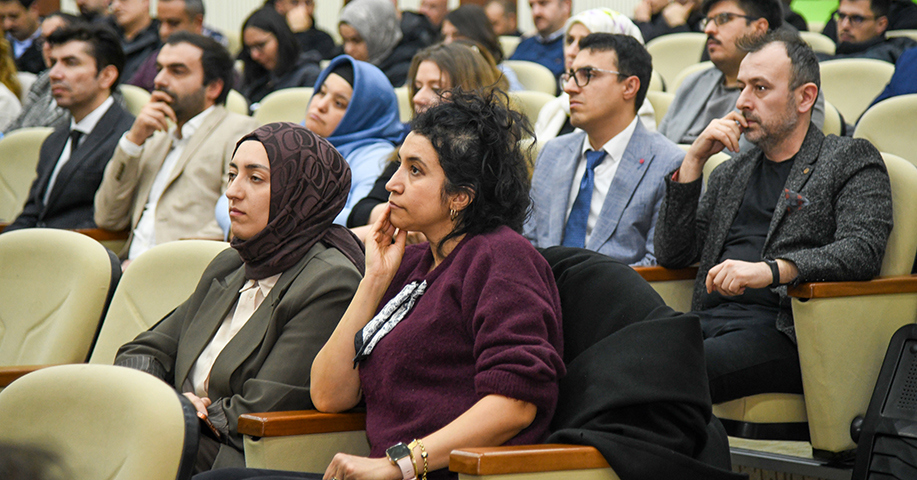
cycle and to increase institutional awareness. Attendees included ETU Rector Prof. Dr. Bulent
Çakmak, Vice Rectors Prof. Dr. Ali Fatih Yetim, Prof. Dr. Ceren Sultan Elmalı, and Prof. Dr.
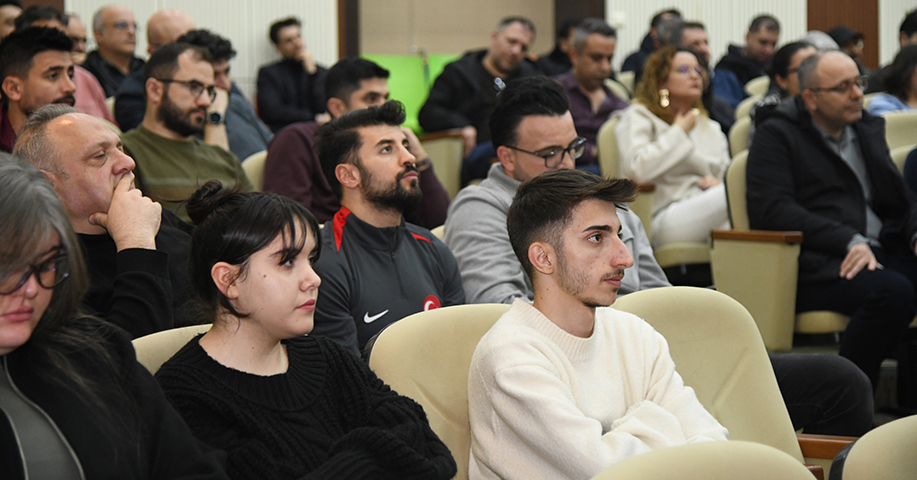
Naim Ürkmez, along with deans, academic staff, and administrative personnel.
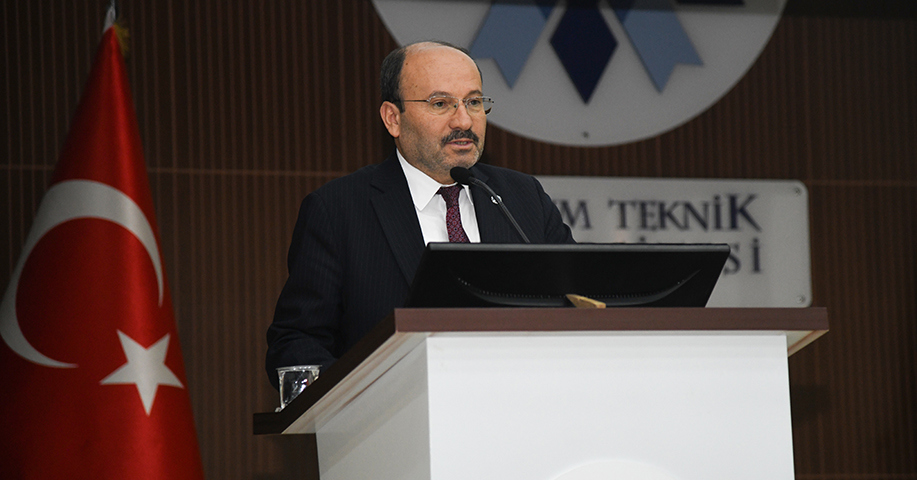
In his opening speech, Rector Prof. Dr. Bulent Çakmak stated that the university is preparing
for an important evaluation process and emphasized that the training conducted is of great
importance for ensuring that the process is carried out effectively.
Rector Çakmak: Our Aim Is to Highlight Our University’s Strengths While Honestly
Evaluating Areas Open to Improvement
Çakmak noted that they gathered to review final preparations before the external evaluation to
be conducted by the Higher Education Quality Council in the coming days and to establish a
shared institutional understanding. He emphasized that this training is not merely technical
information but also aims to strengthen the university’s perspective on quality processes.
Highlighting that the responses given during meetings with evaluators must be consistent,
clear, and evidence-based for the success of the process, Çakmak said:
“The most important issue in this process is to present ourselves as we are and to express our
work accurately, clearly, and transparently. Our aim is to highlight our university’s strengths
while sincerely evaluating areas open to improvement. A culture of quality can only be built
on this understanding.”
Çakmak also stated that, during the training process, experienced administrators who have
previously undergone similar evaluations will guide participants on how to approach possible
questions. He added that such efforts strengthen institutional integrity and increase staff
confidence in the process.
Emphasizing that the evaluation process is not limited to certain units but encompasses the
entire university, Çakmak expressed his belief that the process will be successfully completed
through a shared language, strong coordination, and the contributions of all stakeholders.
Dean Gürol: We Must Adopt a Common Language and Approach Across the University
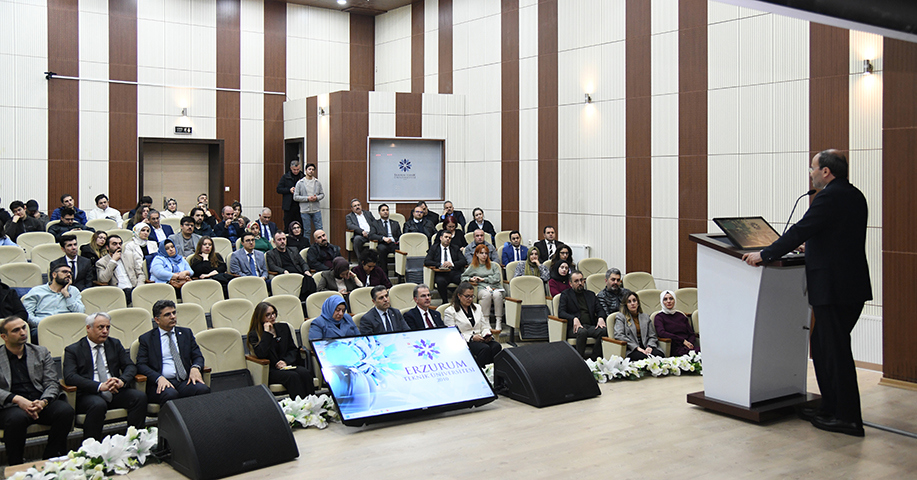
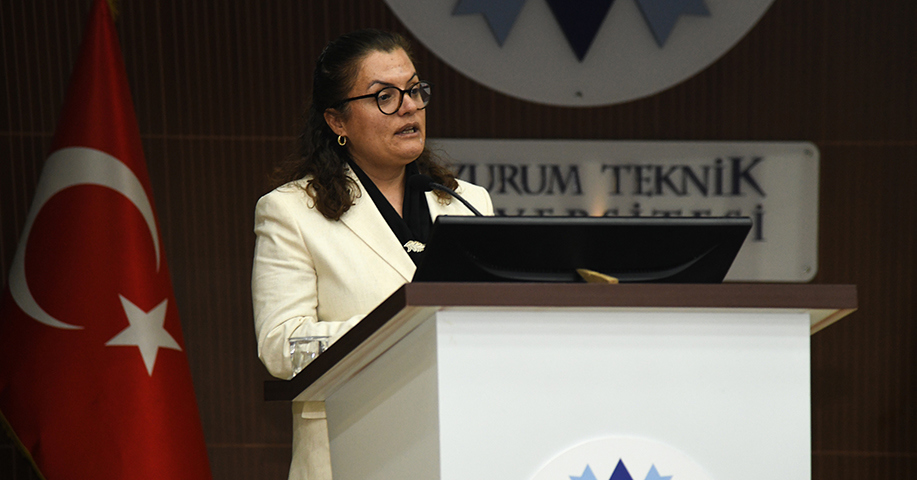
In his presentation, Gürol emphasized that each stage of the PDCA cycle should be supported
by concrete data and stated that presenting unit activities in an evidence-based manner is
decisive in the external evaluation process. He noted that regularly monitoring, analyzing, and
improving activities in education, research, and social contribution areas form the foundation
of a sustainable quality culture.
Gürol also underlined the importance of establishing open, consistent, and transparent
communication during meetings with evaluators, stating that adopting a common language
and approach across the university will directly affect the success of the process.
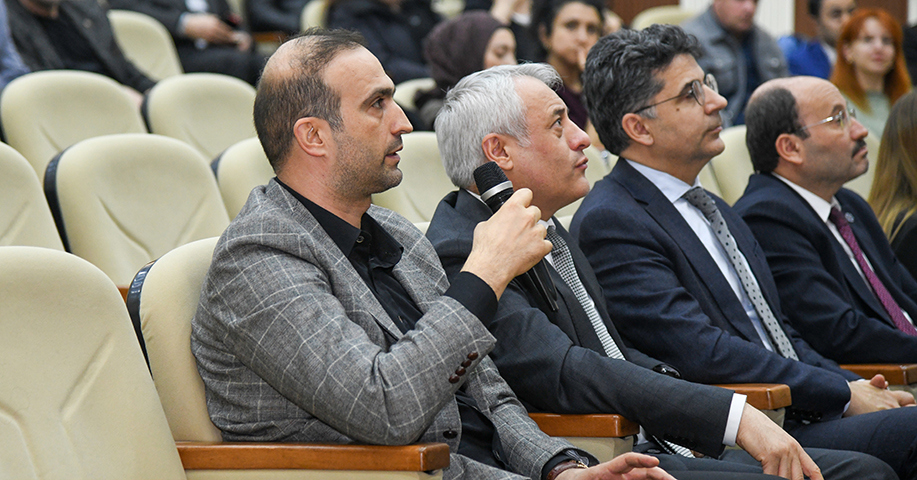
The meeting concluded after answering participants’ questions.
Corporate Communications and Marketing Directorate 15 April 2026
 Merhaba, ben Kartanesi sana yardımcı olabilmek için burdayım, Yapmak istediğin işlemi seçebilir misin?