Department of Electrical and Electronic Engineering
Microprocessors Laboratory
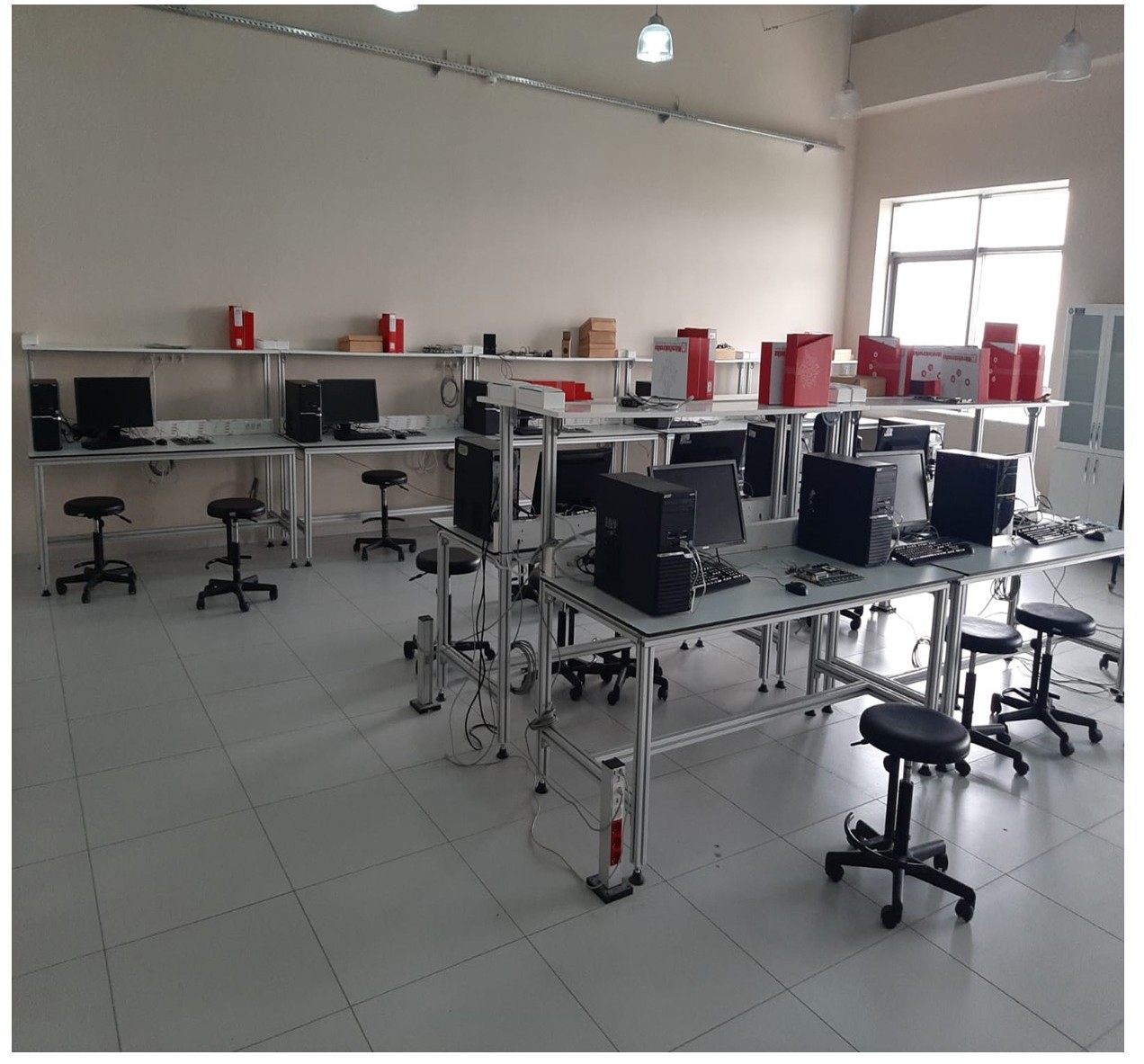
The Microprocessors Laboratory is a hands-on learning environment designed to equip students with the skills to design, program, and develop real-time applications based on microcontrollers. In the laboratory, students learn the fundamental operating principles of microprocessor-based systems through hands-on work with input/output units, timers, interrupts, communication protocols, sensor interfaces, and embedded control applications. The laboratory infrastructure supports experiments and projects related to embedded systems, industrial automation, the Internet of Things (IoT), and real-time control applications.
Experiments that can be performed
- Microcontroller architecture and programming
- Digital input/output (GPIO) applications
- Timer and counter applications
- Interrupt-based programming
- ADC and data collection applications
- UART communication
- SPI communication
- I²C communication
- CAN Bus communication
- PWM generation and motor control
- Sensor interface applications
- Real-time embedded system design
Microprocessors Laboratory Equipment List
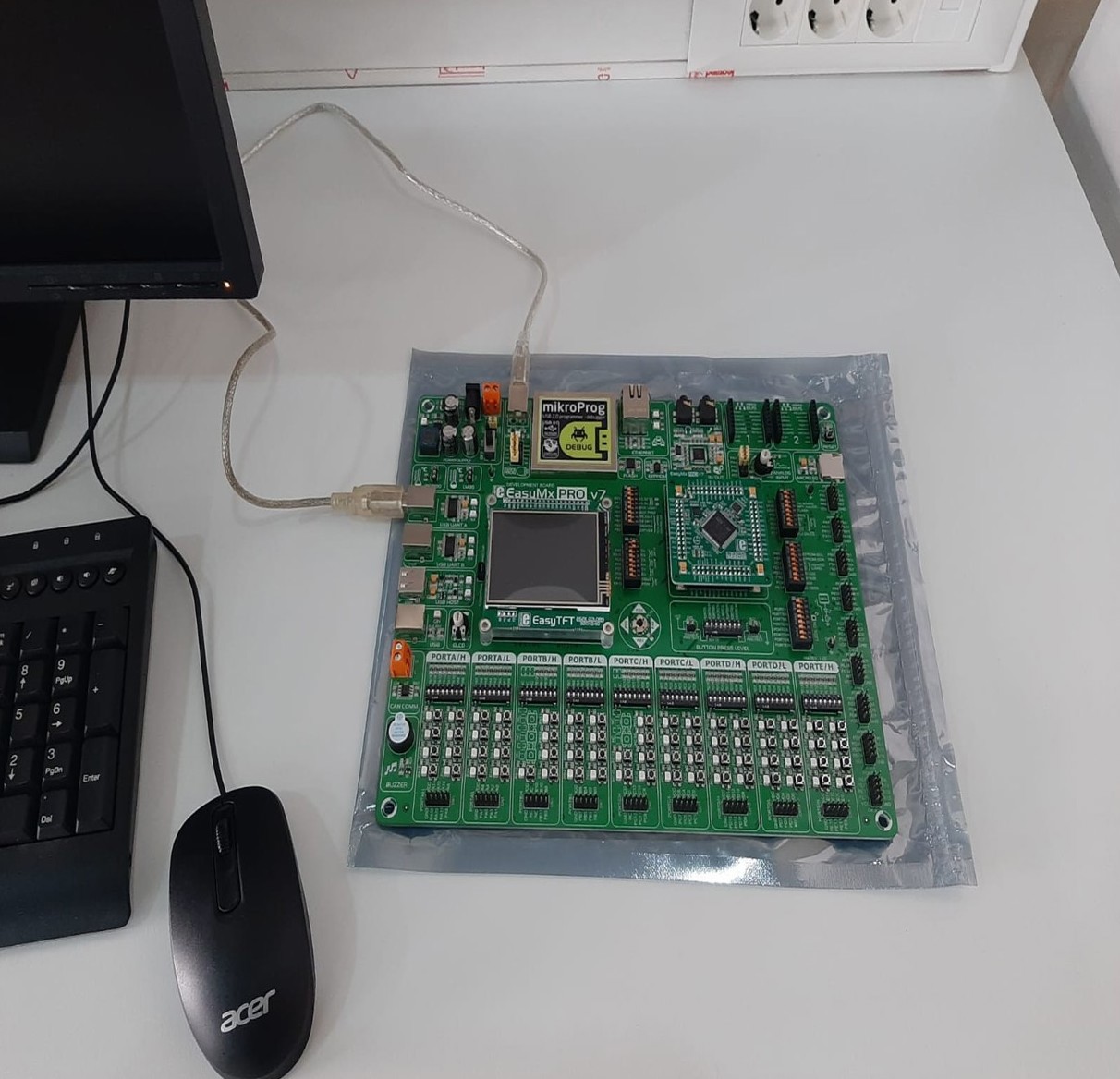
1. EasyMx PRO™ v7 for STM32 Education and Development Platform
- STM32F107VCT6 ARM Cortex-M3 microcontroller
- 72 MHz operating frequency
- USB, CAN, UART, SPI, and I²C communication interfaces.
- LCD, LED, button and various peripheral support
- Expandable design with MikroBUS™ sockets.
- Educational platform for embedded systems and microcontroller applications.
- Compatible with MikroC, MikroBasic, and MikroPascal development environments.
STM32F107 Microcontroller Development Infrastructure
- ARM Cortex-M3 core
- Real-time control applications
- Timer, ADC, DAC, and DMA applications.
- CAN Bus and Ethernet communication support
- Interrupt-based applications
- A structure suitable for industrial communication and automation projects.
Laboratory Computers
- STM32 development software and compilers
- MikroC PRO for ARM development environment
- STM32CubeIDE support
- Serial port and debugging tools
- Embedded systems simulation and programming applications
- Data collection and analysis software.
Thanks to this laboratory, students reinforce their theoretical knowledge in embedded systems design and microcontroller programming through practical work, and have the opportunity to become closely acquainted with the technologies used in modern industrial control and communication systems. Furthermore, the laboratory provides the necessary hardware and software infrastructure for student projects, graduation theses, and research activities.
 Merhaba, ben Kartanesi sana yardımcı olabilmek için burdayım, Yapmak istediğin işlemi seçebilir misin?